
10 Things You should Not Say to Your Child as Volleyball Parents After a Match
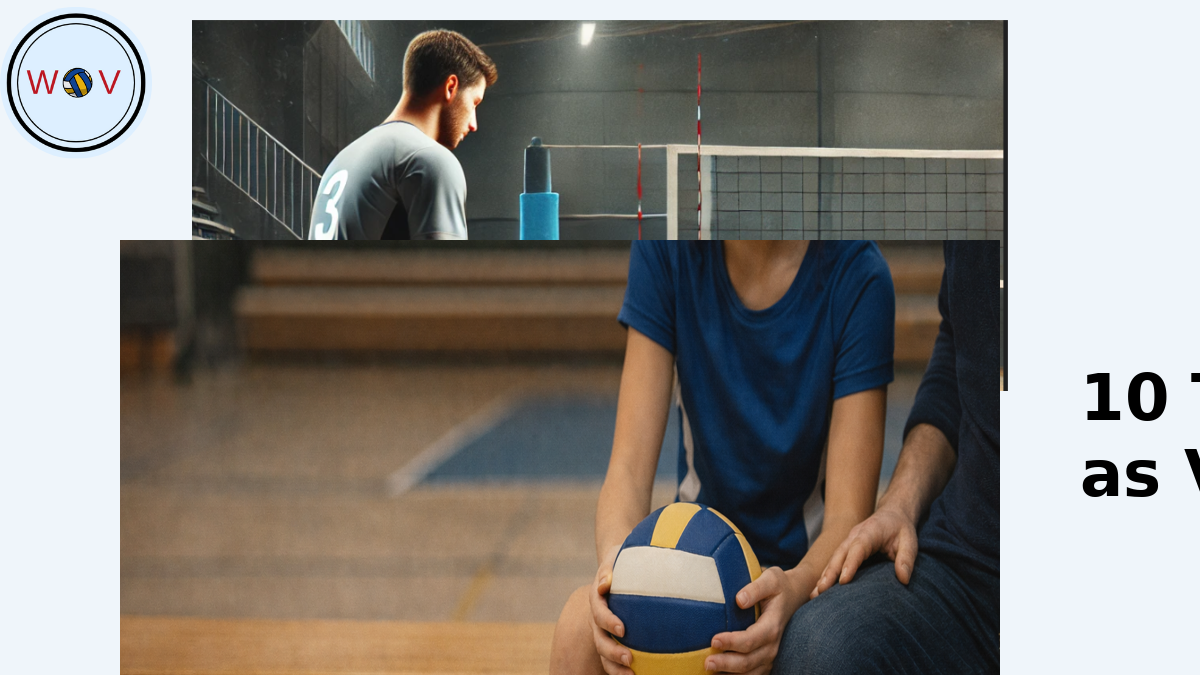
You can’t let praise or criticism get to you. It’s a weakness to get caught up in either one.
John Wooden
Source: Gold Medal Squared.
Wonder of Volleyball is reader supported. Some of the links contained in this post are affiliate links. If you click and purchase through those links, we’ll get a commission at no additional cost to you. Read our full disclaimer here.
Thanks in advance for supporting our work!
Do you know that there are certain things you should not say to your child as volleyball parents after a match?
Would you like to know how giving well-intentioned advice and saying negative statements right after a match will affect your child throughout their playing journey?
If you want answers for these questions, keep reading till the end!
No doubt that there’s a lot will be going through in your child’s mind after a match, and this is true whether they win or lose. So at that time, providing well-intentioned advice or saying unhelpful statements won’t be the right choice.
I’ve put together a list of things you should not say to your child as volleyball parents after a match and thoroughly explained how each statement will affect them going forward playing volleyball.
So without much delay, let’s take a look at what they are. Shall we?
Did you know that immediately analyzing mistakes, no matter how well-intended, can increase stress and self-doubt in young volleyball players? Most children need time to emotionally reset before they are ready to hear feedback from you.
Things You should Not Say to Your Child as Volleyball Parents After a Match
Why Didn’t You Play Better Today?

Asking your child ‘Why didn’t you play better today’ may seem harmless, but it can feel discouraging right after a match. This question puts the focus entirely on performance and mistakes, often when emotions are still high.
Instead of reflecting on the match, this particular statement will trigger guilt, frustration and self-doubt, especially if your child already knows that they didn’t have their best game on the day.
Each volleyball match is influenced by many factors beyond individual effort, such as team dynamics, opponent strength, coaching decisions and how effectively the team handles pressure situations. When parents question performance immediately after the match, children may feel judged rather than supported.
Over time, this can make them anxious about disappointing you instead of enjoy playing the sport and learning from it.
Rather than questioning why they didn’t play better, it’s more helpful to acknowledge their effort and let them process the experience. Simple, supportive statements open the door to healthy conversations every single time.
This approach helps your child build confidence, resilience and a positive relationship with the sport, and these are key traits for long-term growth/success in volleyball.
You Let the Team Down

Telling your child ‘You let the team down’ can be deeply hurtful, even if it’s said in the heat of the moment. Volleyball is a team sport where wins and losses are shared collectively, not determined by a single player or one mistake.
Hearing this statement can make your child feel solely responsible for the outcome, which creates unnecessary guilt and emotional pressure.
Generally, young athletes tend to replay their mistakes mentally after a match. When parents reinforce that feeling of blame, it can damage their confidence and make them fearful of taking risks on the court.
Instead of focusing on improvement, they may begin to play cautiously, worried about being the reason the team loses again.
It’s important for parents to emphasize teamwork and collective responsibility. Every player contributes in different ways to the success of the team through effort, communication and supporting their teammates, not only through scoring points.
A more constructive approach is to remind your child that learning from mistakes is part of the sport and that one match does not define their value as a player or teammate.
Supportive messages help your child develop resilience and a healthy mindset. This reassurance encourages growth, accountability without shame and a stronger love for volleyball.
The Coach Should Have Played You More

Saying ‘The coach should have played you more’ may sound supportive, but it can unintentionally create confusion and frustration for your child. This statement shifts focus away from personal growth and places blame on the coach’s decisions, which are often based on strategy, team balance or long-term development plan for your child, not just individual ability.
When parents criticize playing-time-related decisions, children may start questioning the coach’s authority and feel entitled to get play time rather than motivated to earn it. This mindset can hurt their coachability and willingness to accept feedback, two qualities that are highly valued in volleyball.
If this behavior continues unanswered, it may also strain the relationship between the player and the coaching staff.
Without framing the situation as unfair, it’s healthier to help your child see limited playing time as part of the learning process. Every athlete experiences moments on the bench, and those moments can be valuable opportunities to observe, learn and prepare for future chances.
A better approach is to say some positive statements and those responses will encourage accountability, resilience and respect for the team structure. Supporting your child in this way helps them develop patience, maturity and a strong work ethic, qualities that extend far beyond the volleyball court.
You Made Too Many Mistakes

If you are letting your child know that ‘They made too many mistakes’ after a match, it’ll surely be discouraging and emotionally overwhelming. Most players are already aware of their errors and are often harder on themselves than anyone else.
Hearing this from a parent will magnify feelings of disappointment, embarrassment and self-doubt.
Mistakes are a natural and essential part of volleyball. Every serve, pass and attack carries risk, and growth comes from learning through those imperfect moments.
When mistakes are highlighted without context, children may become afraid to take chances on the court. This fear can limit their development, causing them to play cautiously instead of confidently.
Rather than focusing on the number of mistakes, it’s more helpful to acknowledge effort and progress. Emphasizing what your child did well even in a tough match reinforces confidence and keeps their motivation intact.
Constructive conversations about improvement are best saved for a calmer moment, when emotions have settled and reflection is more productive.
Supportive and positive statements help shift the focus from failure to growth. This approach teaches your child resilience, encourages a positive mindset and helps them understand that mistakes are stepping stones, not setbacks in their volleyball journey.
That Refereeing Cost You the Match
When you decide to say ‘That refereeing cost you the match’, it may feel like a way to comfort your child. But it can send the wrong message to them.
Blaming officials shifts focus away from personal and team responsibility and teaches children to look for external excuses instead of areas they can control and improve.
In volleyball, officiating decisions are part of the sport, and not every call will feel fair. When parents emphasize refereeing errors, children may become overly focused on things outside their control, leading to frustration and emotional reactions during future matches.
This mindset can affect concentration, sportsmanship and overall performance on the court.
Instead, it’s important to help your child understand that strong players learn to adapt regardless of the circumstances. Matches are influenced by many factors such as communication, effort, execution and mental toughness, not just officiating alone.
Learning to move on from questionable calls is a valuable life skill, both in sports and beyond.
A healthier response might be, ‘Some calls go your way, some don’t. What matters is how you respond,’ or ‘I liked how you stayed composed despite the challenges.’ These messages reinforce accountability, resilience and respect for volleyball.
By focusing on controllables, you help your child develop maturity, emotional control and a positive competitive mindset in playing the sport.
Must’ve Gear for Volleyball Players
You’re Not as Good as That Other Player
This particular statement, ‘You’re not as good as that other player’, can be extremely damaging to your child’s confidence and self-esteem. Comparisons like this shift the focus from personal growth to unhealthy competition, making your child feel inadequate rather than motivated.
Every volleyball player develops at their own pace. Skills, physical growth, game understanding and confidence all evolve differently from one athlete to another. When parents compare their child to teammates or opponents, it can create unnecessary pressure and resentment.
Also, this may lead to anxiety, loss of enjoyment or even burnout from the sport.
Please avoid comparing players. It’s far more beneficial to focus on your child’s individual progress instead.
Improvement in volleyball is about consistency, effort and learning, not being better than someone else. Recognizing small improvements helps your child stay motivated and reinforces a growth mindset.
Supportive statements encourage self-belief and long-term development.
Approaching your child’s development in volleyball this way teaches them to measure success by effort and progress rather than comparison, helping them build confidence and a healthy relationship with volleyball.
If You Practiced More, This Wouldn’t Happen
This is the deal breaker for most children.
Saying ‘If you practiced more, this wouldn’t happen’ can feel dismissive of your child’s effort and commitment. Even athletes who train consistently have off days, make mistakes and face tough opponents.
This statement oversimplifies performance and can make your child feel that their hard work is never enough.
Volleyball performance depends on many factors beyond practice time, including fatigue, pressure, confidence, team chemistry and match-day conditions. When parents link a poor outcome solely to lack of practice, children may feel unfairly judged and discouraged.
This will inevitably reduce motivation and create fear around making mistakes.
Without questioning their dedication, it’s more productive to acknowledge the effort your child puts in regularly. Recognizing their commitment reinforces discipline and self-worth.
Constructive conversations about improvement are best framed as learning opportunities, not accusations.
Supportive phrases like ‘I know you’ve been working hard’ or ‘Every match teaches you something new’ help maintain a positive mindset. This approach encourages reflection without blame and reminds your child that progress in volleyball is not always linear.
You Always Get Nervous in Big Matches
No parent who wants their child to succeed in a sport would say that ‘You always get nervous in big matches’ and label them in a negative way. Right?
Even if nerves were visible, turning it into a defining trait can hurt confidence and make anxiety feel permanent rather than manageable.
Feeling nervous before important volleyball matches is completely normal. In fact, it often means the player cares and is invested in performing well.
When parents highlight nerves as a weakness, children may start to fear big moments instead of learning how to handle pressure. This can lead to self-doubt and a belief that they are not “built” for high-stakes situations.
Don’t focus purely on nerves of your child. It’s more helpful to normalize them and frame them as part of competition.
Many successful athletes experience pre-match anxiety and learn techniques to manage it over time. What matters most is effort, preparation and willingness to compete despite the pressure.
Supportive responses like ‘Big matches make everyone feel nervous’ or ‘I admired how you pushed through the pressure today’ help your child feel understood and encouraged.
This particular approach teaches emotional awareness, a skill that is essential not only in volleyball but in life beyond the court.
I Told You That Position Isn’t for You
When you say ‘I told you that position isn’t for you’ will feel discouraging and limiting to your child, especially after a tough match. This statement reinforces doubt at a time when confidence is already fragile and can make your child feel defined by one difficult performance.
In volleyball, learning different positions is a vital part of development and it is so particularly true for young players. Each role helps build new skills, match awareness and adaptability on the court.
When parents prematurely label a position as “not right” for their child, it can discourage exploration and slow overall growth as a player.
Position changes are often part of a coach’s long-term development plan, not a reflection of ability or failure. Struggling in a new role is normal and expected.
What matters most is effort, openness to learning and willingness to step outside one’s comfort zone.
Don’t reinforce doubt. You can offer reassurance with statements like ‘Trying new positions helps you grow’ or ‘Every position teaches you something valuable’.
This support encourages flexibility and trust in the learning process. By keeping the focus on growth rather than judgment, you help your child build confidence and develop into a more well-rounded volleyball player.
Winning Is What Really Matters
Is it true?
Saying ‘Winning is what really matters’ can place unnecessary pressure on your child and take away from the true purpose of playing volleyball. While competition is an important part of any sport, focusing solely on the final score can make children feel that effort, improvement and teamwork are secondary.
When winning becomes the only measure of success, players may fear mistakes, avoid taking risks or lose confidence after a loss. This mindset can also reduce enjoyment of the game, turning volleyball into a source of stress rather than growth.
Over time, children may associate their self-worth with results instead of effort and development.
Volleyball is a sport that teaches valuable life lessons such as resilience, discipline, communication and perseverance. These lessons are often learned most clearly through challenging matches and losses. When parents emphasize learning and progress over outcomes, children are more likely to stay motivated and engaged in the long run.
Supportive phrases like ‘I’m proud of how hard you worked’ or ‘What did you learn from today’s match’ help reinforce a healthy perspective. By valuing effort, attitude and improvement, parents encourage a balanced mindset that helps their child grow not just as a volleyball player, but as a confident and resilient individual.
FAQs on Things You should Not Say to Your Child as Volleyball Parents After a Match
Why is it Important to Choose Words Carefully When Talking to Your Child After a Volleyball Match?
Post-match conversations can strongly impact a child’s confidence and motivation. Thoughtful, supportive language helps them process emotions, learn from the experience and maintain a positive relationship with the sport.
When is the Best Time to Discuss Mistakes or Improvements After a Match?
It’s best to wait until emotions have settled. Giving your child space first allows for calmer, more productive conversations focused on learning rather than frustration or disappointment.
How can Parents Support their Child After a Tough Loss Without Adding Pressure?
The best and the most effective way to support your child after a tough loss is by emphasizing effort, growth and resilience instead of results. Simple encouragement and active listening help children feel supported and motivated to keep improving.
Conclusion
In any circumstance, saying unhelpful/negative statements will be useful to anybody and this is the same for your child playing volleyball.
I am sure that by now, you’ll have a thorough idea on the things you should not say to your child as volleyball parents after a match and how these statements will affect them.
It’s your turn!
What are your thoughts about this list?
Would you like to add anything to it?
Please share them in the comments section below!
Related Posts
10 Things You should Say to Your Child as Volleyball Parents After a Match
Things Not to Say to Your Child from the Sidelines as Volleyball Parents During a Match
Things to Say to Your Child from the Sidelines as Volleyball Parents During a Match
LET’S BE SOCIAL!

Thanks for sharing these ideas. My daughter is very sensitive after a game, these will be helpful.
Hi Jenny, thanks for your comment. Glad to know that these tips will be useful and relatable for you.
I do think it is so important to be mindful of how you speak to teens, especially after such a draining activity. Thank you for these reflections.
Hi Jupiter Hadley, I completely agree with your first point.
Such a useful post for parents. I bet it sometimes feels like you’re trying to be helpful in the moment but what you’re saying may feel more like criticism, especially if emotions are high x
Hi Rhian Scammell, thanks a lot for your valuable thoughts. I totally agree with your last point!
As someone who played volleyball in high school, having supportive parents definitely made a difference with my enjoyable and memorable volleyball experience! Thanks for sharing this helpful post, some parents may not even realize that some of their comments are unhelpful and negatively impactful
Hi AJ, thanks for your comment. Glad to know that you found this post helpful. Very happy that you played volleyball during your high school days. I agree with your last point.
This is a lot of good info, great list!
Hi Kelli, thank you very much!
This is such an important topic, and I’m really glad you’re addressing it. It’s easy for parents to think they’re being helpful in the moment, especially right after a match, but emotions are still high for kids win or lose. I love that you’re breaking down what not to say and explaining the long-term impact it can have on their confidence and love for the game. This feels like a must-read for any volleyball parent who truly wants to support their child the right way.
Hi Tiann, thank you very much for your kind words. Glad to know that you found this post helpful for volleyball parents.
I think supporting your child, friend, or family member is the best way to encourage someone. Everyone makes mistakes, but simply criticizing and being negative certainly doesn’t help. This post is a great reminder! Thanks for sharing!
Hi Ginger, thanks for your valuable and kind words. I totally agree with your points.
My kid ran track & field, as well as cross country, so I can relate to this article. I always spoke in a positive way, but I saw parents who were so caught up in the “sport of winning.”
Hi Jen, thanks for your comment. Glad to know that you found this post helpful and your son participated in track and field running.
This is such an important reminder of how powerful our words are right after a match. Focusing on support and timing instead of criticism really helps kids build confidence and keep their love for the game.
Hi Nick, thanks for your comment. Very happy to know that you found this post helpful for volleyball parents.
Kids are so impressionable so it’s important to be careful what we say. We need to build them up not push them down.
Hi Melanie E, 100% agree with you!
It definitely needs to be kept positive. Nobody likes hearing negative comments, it doesn’t bode well for staying motivated at all
Hi Yeah Lifestyle, I completely agree with your points!
Analyzing mistakes right after a game often backfires because kids need time to cool down first. Keeping quiet during the car ride home prevents so much unnecessary stress.
Hi Kat, I totally agree with your points!
It’s so important to say the right thing after an event. These are really useful for me as a mum of a sporty child!
Hi Jenny, I am so glad to hear that you found these tips helpful and relatable.
Thank you for writing this and putting such an important message out there. It’s a conversation every sports family needs to be having. Parents play such a powerful role in shaping an athlete’s mindset, for better or for worse. The words we choose, the energy we bring, and the expectations we project don’t disappear once practice starts or the game begins. They live in the athlete’s head. That influence can build confidence, resilience, and self belief or it can create pressure and self doubt. Messages like this matter so much because they remind parents to pause and recognize the weight of their presence.
Hi, thank you very much for your thoughtful words. I totally agree with your points!
It is so important to be encouraging and not make your child feel any less than good after such an intense thing like a sports match. Thank you for this reminder.
Hi Jupiter Hadley, pretty glad to hear that you found these tips helpful. I totally agree with your first point!
Support is always important for parents to provide for their children, especially athletes! This is a great post that makes a lot of good points. Volleyball is such a fun sport to play and everyone deserves to enjoy it without any added pressure and expectations from parents
Hi AJ, thank you so much for your kind words. I completely agree with your points.
Every sports parent needs to read this. There are so many emotions after a game for the player and the parent.
Hi Beth, thank you very much and I totally agree with you.
I can’t imagine parents saying half of these things. It makes me sad that this might be the case. Some of these phrases are so un-motivating for kids. It’s crazy.
Hi Claire Mac, I completely agree with your point and unfortunately, sometimes this is the case with parents.
What we say to our kids is really important, and they do take it to heart if it’s not done properly. These were great points.
Hi Joan, I totally agree with you and thank you very much.