
10 Things You should Say to Your Child as Volleyball Parents After a Match
The more difficult the victory, the greater the happiness in winning
Pele
Source: LifeHack.
Wonder of Volleyball is reader supported. Some of the links contained in this post are affiliate links. If you click and purchase through those links, we’ll get a commission at no additional cost to you. Read our full disclaimer here.
Thanks in advance for supporting our work!
What are the things you should say to your child as volleyball parents after a match?
How positive statements you say to your child will help them in the right direction throughout their playing journey?
Talking to your child after a volleyball match will be much easier and smooth if you follow these tips!
In a fast-paced sport like volleyball, emotions can be high and genuinely saying the right things to your child will be critical to your child’s growth as a reliable volleyball player in their team.
To help you out, I’ve put together a list of things you should say to your child as volleyball parents and how each positive statement from you is important.
So without any delay, let’s get started!
Did you know that young athletes often remember their parents’ first words after a game more clearly than the result itself? Supportive, effort-focused comments help children associate volleyball with growth and enjoyment, not fear of mistakes.
Things You should Say to Your Child as Volleyball Parents After a Match
I’m Proud of You for Giving Your Best Today

After a match, one of the most powerful things you can say to your child is, ‘I’m proud of you for giving your best today.’ This simple statement reassures them that your pride isn’t tied to the final score of a match or statistics and they are valued for their effort.
Volleyball is a game filled with ups and downs. Some days your child will play exceptionally well, and on other days things may not go as planned.
By acknowledging their effort, you help them understand that trying hard, staying focused and giving full commitment are what truly matter.
This message also reduces pressure. When children know their parents appreciate effort over results, they feel safer taking risks, learning from mistakes, and pushing themselves to improve.
It builds confidence and encourages a healthy relationship with the sport.
Most importantly, this phrase reminds your child that you recognize the hard work they put into practices, training sessions and matches. It reinforces resilience and helps them develop a strong work ethic, and those are the skills that go far beyond volleyball.
In the long run, hearing these words after a match can mean more to your child than any technical feedback or post-match analysis. It tells them they are supported, valued and loved, no matter the outcome.
I Loved Watching You Play

Telling your child ‘I loved watching you play’ sends a powerful message of absolute support. It shows them that your enjoyment comes from seeing them on the court, not from how many points they scored or whether the team won.
Volleyball matches can be emotionally intense for young players. They may replay mistakes in their minds or feel disappointed after a tough loss.
Hearing this phrase helps shift their focus away from self-criticism and reminds them that their presence and effort are what truly matter.
This statement also encourages joy in the sport. When children know their parents genuinely enjoy watching them play, they’re more likely to stay motivated, relaxed and excited about competing.
It reinforces the idea that volleyball is something to be enjoyed, not feared or overanalyzed.
Additionally, saying this opens the door for positive conversations. It creates a safe space for your child to share how they felt during the match, what they enjoyed or what challenged them without feeling judged.
Sometimes, the best thing a volleyball parent can do after a match is simply express appreciation. ‘I loved watching you play’ reminds your child that their journey matters more than the result and that their love for volleyball is worth celebrating.
What Do You Think Went Well in the Match?

Asking your child ‘What do you think went well in the match’ encourages reflection and self-awareness. Instead of immediately pointing out mistakes or giving advice, this question invites them to recognize their own successes whether they are big or small.
This approach helps children develop confidence and a growth mindset. When they identify positive moments, such as a good serve, strong communication or improved focus, they learn to value progress rather than perfection. It also teaches them to analyze their performance in a healthy, constructive way.
Listening to their response is just as important as asking the question. It shows respect for their perspective and helps them feel heard.
Over time, this builds trust and makes post-match conversations more meaningful and less stressful.
This question also reduces pressure. Rather than feeling evaluated, your child feels supported and empowered to think critically about their overall game.
It sets a positive tone before discussing areas for improvement, if they choose to bring them up.
By focusing on what went well, you help your child leave the court feeling encouraged and motivated. It reinforces the idea that every match offers wins worth celebrating, regardless of the final score.
It’s Okay to Make Mistakes, That’s How You Learn
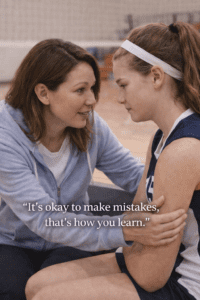
Mistakes are an inevitable part of playing any sport, especially in a fast-paced and team-oriented one like volleyball. Telling your child ‘It’s okay to make mistakes, that’s how you learn’ helps normalize errors and reduces the fear of failure.
Young players often focus on the points they missed or plays that didn’t go well. Without reassurance, this can lead to frustration or self-doubt.
Through reminding them that mistakes are part of the learning process, you help shift their mindset from disappointment to growth.
This message also encourages resilience. When children understand that errors don’t define them as players, they’re more willing to try again, take smart risks and stay confident on the court.
Over time, this builds mental toughness and emotional balance.
As a parent, this phrase shows empathy. It lets your child know you understand the challenges of the sport and that you value effort, improvement and persistence over perfection.
It also creates a safe environment where they feel supported, even after a tough match.
In the long run, learning to accept mistakes is one of the most valuable lessons volleyball can teach. Your words can help your child carry that lesson both on and off the court.
Must’ve Gear for Volleyball Players
Your Effort and Attitude Really Stood Out

Letting your child know that their effort and attitude really stood out reinforces the importance of qualities that matter in every match, regardless of the final score. Volleyball isn’t just about skills. It’s also about mindset, focus and how a player responds to challenges.
By highlighting effort, you acknowledge the hustle, determination and commitment your child showed on the court. Whether they were forming valuable plays, staying engaged on the bench or pushing through fatigue, this recognition reminds them that hard work never goes unnoticed.
Focusing on attitude is equally powerful. A positive attitude like encouraging teammates, staying composed after mistakes and listening to coaches shows maturity and sportsmanship. These traits often leave a lasting impression on coaches and teammates alike.
This phrase helps children understand that success in volleyball isn’t measured only by points or statistics. It teaches them that showing up with the right mindset is something they can control every time they play.
When parents emphasize effort and attitude, children feel motivated to keep improving and stay mentally strong. Over time, this encouragement builds confidence, resilience and a love for the sport that extends far beyond a single match.
You are Improving Every Time You Step on the Court

No doubt that this particular statement will give your child loads of motivation. Also, saying ‘You’re improving every time you step on the court’ reminds your child that progress is a journey, not a single moment.
Volleyball development happens gradually, through consistent practice, learning and experience, often in ways players don’t immediately notice themselves.
After a match, children may focus on what went wrong rather than what has improved. This phrase helps shift their attention toward long-term growth.
It reassures them that effort, repetition and perseverance will pay off, even if the results aren’t always visible right away.
Acknowledging improvement also builds confidence. When children believe they are getting better, they’re more likely to stay motivated, embrace challenges and continue working on their skills.
It encourages patience and helps them understand that setbacks are part of the learning process.
As a parent, this message shows that you’re paying attention to their journey, not just individual performances. Whether it’s better communication, improved technique or stronger decision-making, recognizing progress reinforces a positive mindset.
Finally, hearing these words helps children develop self-belief and resilience. It teaches them that every match and practice contributes to their growth, and that’ll make each step on the court meaningful and worthwhile.
How Did You Feel Out There Today?

Asking your child ‘How did you feel out there today’ opens the door to emotional understanding and meaningful conversation. Volleyball isn’t just physically demanding, it can be mentally and emotionally intense, especially for young players.
This question shows that you care about their experience, not just their performance. It gives your child the space to express emotions such as excitement, frustration, nervousness or pride. Being able to talk about these feelings helps them process the match in a healthy way.
Listening without interrupting or correcting is key. Sometimes, your child doesn’t need advice and they simply need to be heard.
This builds trust and strengthens your relationship, making post-match discussions feel supportive rather than stressful.
When you focus on feelings, you also help your child develop emotional awareness. Understanding how emotions affect performance is an important skill in volleyball and in life.
It teaches them to reflect, cope with pressure and manage challenges more effectively.
Ultimately, this simple question reassures your child that their emotions matter. It reminds them they are supported not just as an athlete, but as a person on and off the court.
I’m Proud of How You Supported Your Teammates

Volleyball is a true team sport, and how a player supports their teammates matters just as much as individual performance. Telling your child ‘I’m proud of how you supported your teammates’ reinforces the value of teamwork, respect and sportsmanship.
Whether it’s cheering after a point, offering encouragement after a mistake or staying engaged from the bench, these actions contribute to a positive team environment. A supportive attitude helps build trust on the court and strengthens team chemistry.
You teach your child that leadership isn’t always about scoring points or making big plays by acknowledging this behavior. Sometimes, it’s about being present, uplifting others and putting the team first.
Coaches notice these qualities, and they often play a key role in long-term development.
This message also helps children understand that success in volleyball is shared. Wins and losses belong to the entire team, and supporting one another through both builds character and resilience.
When parents highlight teamwork, children learn that how they treat others matters. These lessons extend beyond volleyball, shaping how they collaborate, communicate and lead in everyday life.
One Match Doesn’t Define You as a Player

After a tough match, children often feel that one performance defines their ability. Reminding your child that ‘One match doesn’t define them as a player’ helps put things into perspective and reduces unnecessary pressure.
Volleyball is a sport of constant learning, and even the best players have off days. A single match (good or bad) doesn’t reflect the countless hours of practice and effort your child has invested.
This message helps them separate who they are from one moment on the court.
Saying this, you encourage resilience. It teaches your child to view setbacks as temporary rather than permanent.
Instead of dwelling on mistakes, they learn to move forward with confidence and a willingness to improve.
This phrase also promotes emotional balance. It reminds your child that growth happens over time and that consistency matters more than perfection.
Wins feel rewarding, and losses become learning opportunities, not judgments.
As a parent, offering this reassurance strengthens your child’s self-belief. It shows that your support remains steady, regardless of results.
After some time, this mindset helps them enjoy the sport more and develop into a mentally strong, confident volleyball player.
Let’s Learn from Today and Keep Moving Forward

Ending a post-match conversation with ‘Let’s learn from today and keep moving forward’ helps your child shift their focus from the past to the future. It reinforces the idea that every match (win or loss) offers lessons that support growth.
This phrase encourages reflection without blame. It invites your child to think about what they can carry into the next practice or match, while letting go of frustration or disappointment.
It keeps the emphasis on progress rather than perfection.
Through framing challenges as learning opportunities, you help your child build resilience and a problem-solving mindset. They learn that improvement comes from experience, feedback and consistent effort, not from dwelling on mistakes.
This message also creates a sense of partnership. Using ‘let’s’ shows your child they’re not alone in the journey.
It reassures them that you are there to support, encourage, and walk alongside them through highs and lows.
In the end, this phrase leaves your child feeling hopeful and motivated. It reminds them that volleyball is a journey filled with lessons, growth and new opportunities, each match being just one step forward.
FAQs on Things You should Say to Your Child as Volleyball Parents After a Match
What Should Parents Avoid Saying to their Child After a Match?
Avoid criticizing mistakes, comparing them to teammates or questioning coaching decisions. These comments can increase pressure and reduce confidence.
How Soon Should Parents Talk to their Child After a Match?
Give your child some time to decompress. Once emotions settle, supportive conversations become more meaningful and productive.
How can Parents Help Build Confidence After a Tough Loss?
Focus on effort, attitude and small improvements. Encourage reflection, reassurance and a forward-looking mindset rather than dwelling on results.
Conclusion
Saying positive statements is very important. But assessing the situation in which your child comes out of the court after a match and saying the right words is doubly important.
I am sure that now you’ll have a clear idea on what are the things you should say to your child as volleyball parents after a match and how each positive statement will be helpful for their playing journey.
It’s your turn!
What are your thoughts about this list?
Would you like to add anything?
Kindly share them in the comments section below!
Related posts
Things to Say to Your Child from the Sidelines as Volleyball Parents During a Match
10 Habits of Successful Volleyball Parents
Volleyball Safety Tips for Parents: A Detailed Guide
LET’S BE SOCIAL!

It’s lovely to read some fantastic inspo on how parents can support children in their hobbies! Thank you for sharing this encouraging list.
Hi Jupiter Hadley, very glad to hear that!
This is such an important concept not just for volleyball, but for any sport! Comments from parents can definitely have a huge impact, and positive words and energry is always helpful! Thanks for sharing these great suggestions for all the volleyball parents out there!
Hi AJ, thank you very much for your kind words! I totally agree with your points!
I completely agree with this. What we say right after a game really sticks with kids, sometimes more than the score itself. Focusing on effort and growth instead of mistakes makes such a difference in confidence and long-term love for the sport.
Hi Tiann, thank you very much for your valuable comments. Glad to know that you found this post relatable.
What a great article. I will use this when my son plays football! Crosses over well.
Hi Tasha Russell, thanks for your comment. Glad to know that you found this post relatable.
Love these! The best way to help someone build confidence (and keep that passion alive): is to encourage them, not to criticize or compare them with someone else. Thanks for sharing!
Hi Ginger, I totally agree with your points!
Hearing that effort matters more than the score really helps kids handle pressure. Focusing on resilience makes the whole playing journey feel way more meaningful.
Hi Kat, I totally agree with your points!
This is a dope post. I love the idea of focusing on the sandwich method for critique. Start with something positive, then a critique, then end with another positive remark.
Hi JRC, thank you very much. Glad to know that you found this post relatable.
Thanks for your advice on what to say to children. Many volleyball parents will find this helpful.
Hi Melanie E, thank you very much!
All of these words of encouragement really mean so much to your child and really spur them on and make them want to try their best. Great post.
Hi Yeah Lifestyle, thank you very much and I totally agree with your points.
Thank you for this. The positive impact of saying something encouraging to a child regardless of the match outcome is profound. Let’s keep on building the confidence of our kids by cheering them on at every step.
Hi Nobsy Francisca, thanks a lot. I completely agree with your points!
This is such a kind, beautiful post idea, what great encouraging things to say that can be adapted to so many other life events. Well done Hari! 👏🏽👏🏽
Hi Gee, thanks a lot for your kind words. Glad to know that you found this post relatable.
This is such a thoughtful list — focusing on effort, growth, and joy rather than just the score makes all the difference for young athletes. Love the reminders to celebrate their effort and support them unconditionally after a match!
Hi Gina P, thank you very much. Totally agree with your points!
It must be so important to be positive even if they didn’t win the match. The first one about being proud is so important for kids to hear x
Hi Rhian, I completely agree with your points! Super valuable!
focusing on the effort rather than the final score is such a helpful perspective. your list reminds me to stay supportive during every practice session in any kind of sport.
Hi Kat, thank you very much and I totally agree with your first point.
Letting your kids know that you’re proud of them, regardless of the outcome of the game, is so important. It’s a great way to make them feel your love and support.
Hi Clarice, thank you so much for your valuable thoughts. I completely agree with your points!
This is great information for volleyball parents!
Hi Maggie, thank you very much!
These are good strategies to lead with for volleyball. It is important to be purposeful with our words and our children.
Hi Marysa, thank you so much for your valuable thoughts. I completely agree with your points!
Showing an interest and being supportive does have a big impact. Thanks for the great supportive words.
Hi Lani, completely agree with your first point!
This is such a thoughtful guide for sports parents, and it really highlights how powerful words can be after a match. Effort, enjoyment and reflection helps kids build confidence and a love for the game.
Hi Nick, thank you very much for your valuable thoughts, and I wholeheartedly agree with your last point!
This is something all parents should do, no matter what sport or activity they choose to do. Knowing your parents are supporting you and encouraging you makes all the difference
Hi Samantha Donnelly, I totally agree with your points!
These are excellent things to say to any child who is taking up volleyball. It’s not pushy, but most importantly, it’s reassuring and encouraging.
Hi Lucy, thank you so very much!
Great post, my son loves it when I watch him in his activities and I always give him lots of praise. I remember doing Volleyball at school and I wasn’t very good at it.
Hi Corinne, so glad to know that you found this post helpful. Happy that you’ve played volleyball in your school days.
Telling your child you’re proud of them will mean the whole world to them
Hi Saviour, I completely agree with you!
Keeping things positive is the way to go for sure. Lots of praise and less criticism. I loved reading these tips, everyone if them helps so much in building confidence.
Hi Yeah Lifestyle, thank you so very much!
Great ideas for reinforcing positive messages. Thanks for sharing, I will note these down.
Hi Jenny, pretty glad to hear that!
This is such a heartfelt and lovely post. It’s so important to engage in your child’s hobbies.
Hi Jupiter Hadley, thank you very much and I totally agree!
This is such a thoughtful post and really spot-on. These are excellent tips, and they brought back memories for me as a parent. When my child was playing sports, she struggled with low self-esteem, especially after tough games. I learned pretty quickly that focusing on effort and simply letting her know I loved watching her play made a huge difference.
Hi Ann, thank you very much for your kind words. I am glad to hear that you found this post relatable.
These are great things to ask and say to kids in other life experiences and situations. Lovely words. Thanks for sharing
Hi Julian, thanks for your comment. Glad to know that you found these statements relatable.
Supportive and kind words are always helpful after a game. they can be highly motivating too and help build them up.
Hi Melanie E, I totally agree with your points!
These are all such fab things to say. I love how they’re not intrusive, but still show an interest and reassurance. This type of approach definitely works for my eldest!
Hi Claire Chircop, thanks for your comment. Glad to know that you found this post relatable and I totally agree with your points.
I know nothing about volleyball, but this post is loads of information for those parents who need it.
Hi Tammy, thank you very much! Glad to know that you found this post helpful for volleyball parents.
These are amazing and very very insightful. “You are Improving Every Time You Step on the Court” I love it and can’t agree more.
Hi Karen, thank you so much!
This is a great resource for any sports parent. It’s so important to be encouraging without being smothering or critical.
Hi Beth, totally agree with you!
supporting a kid on the court takes a lot of patience. Keeping things positive makes the whole experience much better for everyone involved.
Hi Kat, I completely agree with all your points!