
Blocking in Volleyball: Here’s Everything You Need to Know!
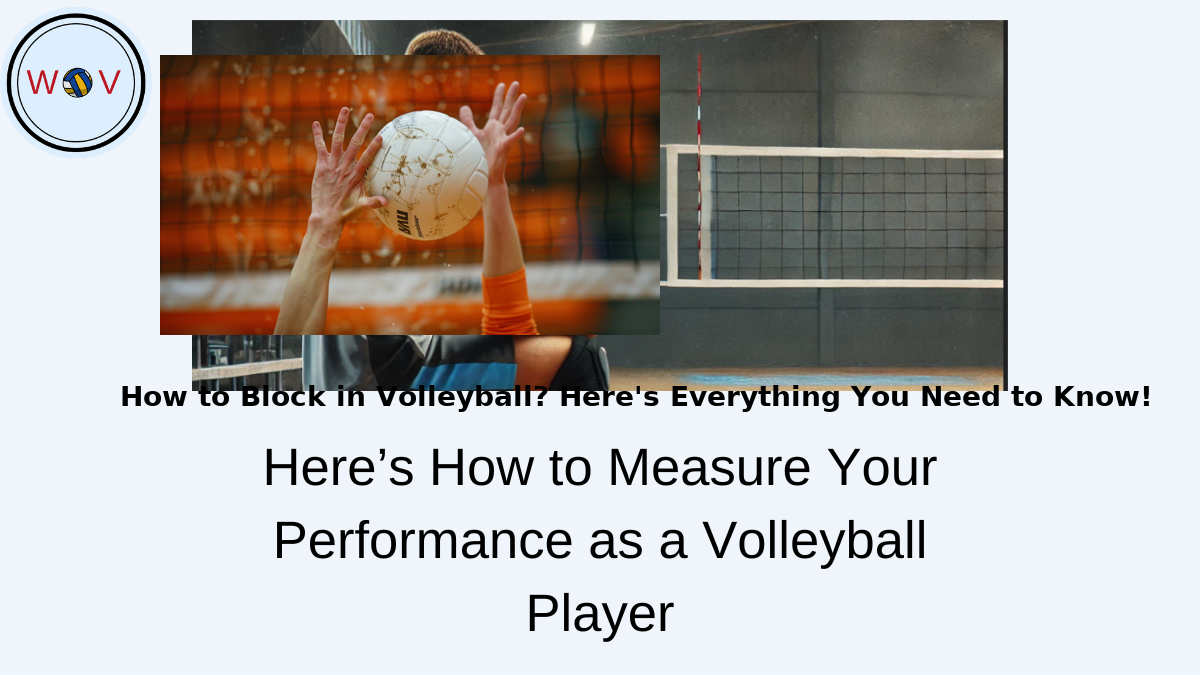
Don’t fire your opponents up. If they’re down, don’t tick them off. Let them stay down.
Sinjin Smith
Source: Sports Feel Good Stories.
Wonder of Volleyball is reader supported. Some of the links contained in this post are affiliate links. If you click and purchase through those links, we’ll get a commission at no additional cost to you. Read our full disclaimer here.
Thanks in advance for supporting our work!
How important is blocking in volleyball?
How to become a reliable and effective blocker of your team?
Keep reading to find out!
Blocking is the frontline defense for your side of the volleyball court. So being a highly-skilled blocker is non-negotiable for the team’s success.
In this post, we’ll discuss in detail about blocking in volleyball, it’s various types, common mistakes to avoid and tips to improve your skills.
Let’s get started!
Did you know that the record for the most blocks performed by a team in a single international men’s Olympic volleyball match is over 20, showing how mastering this skill will completely change the momentum of a match.
Pin this post to your favorite board!

All You Need to Know About How to Block in Volleyball
Understanding the Purpose of Blocking in Volleyball

Blocking is one of the most important defensive skills in volleyball, and its main purpose is to stop or slow down the opponent’s attack before it crosses the net. A well-executed block can completely shut down a hitter’s spike, directly scoring a point for your team or forcing the opponent to rethink their strategy.
Beyond stopping the ball, blocking also serves to control the flow of the game. Even if the block doesn’t result in a direct point, deflecting the ball makes it easier for your back-row players to dig and transition into an offensive play.
In this way, blocking acts as the first line of defense and lets you start a counterattack as a team.
Another key purpose of blocking is adding psychological pressure on your opponent. Consistent, strong blocks can intimidate hitters, causing them to hesitate, change their hitting angles/strategies or even commit unforced errors.
For this reason, blocking is as much a mental game as it is a physical skill.
Blocking demonstrates teamwork. Whether performed solo or in pairs, successful blocking requires communication, timing and coordination with teammates.
The critical components of effective blocking include reading the hitter, moving in sync with the defense and anticipating where the ball will go.
In short, blocking is more than just putting your hands up to tackle the incoming ball. It’s a strategic tool that protects your side of the court, disrupts your opponent’s attack, providing scoring opportunities and sets the tone for your team’s successful defense.
The Basics: Ready Position and Footwork for Blocking

Before making an effective block, you must master the correct ready position and footwork specifically for blockers. These fundamentals prepare you to react quickly and cover the right area of the net.
- In the ready position, stand close to the net with your feet shoulder-width apart, knees slightly bent, and weight on the balls of your feet. Keep your arms raised in front of you, hands open and eyes focused on the setter and hitter in your opponent team.
- This posture allows you to move instantly in any direction without losing balance.
- Footwork is just as important as positioning. The two most common footwork techniques for blocking are the two-step shuffle and the crossover step.
- The shuffle step is ideal for short, quick movements along the net, helping you stay balanced and ready to jump. The crossover step is used when you need to cover more distance, giving you speed while still keeping your body aligned toward the court.
- Once in position, explode upward by pushing off both feet at the same time, extending your arms straight above your head. Good footwork ensures you reach the correct spot in time and maintain balance throughout the block.
By combining a strong ready position with efficient footwork, you’ll maximize your chances of getting in front of the hitter and making an effective block. These basics may seem simple, but they form the foundation for every successful block in volleyball.
Perfecting Your Hand and Arm Position at the Net

Your hand and arm position can make the difference between a weak block and a game-changing one. The goal is to create a solid, effective barrier that directs the ball back into the opponent’s court or toward your teammates for an easy play.
When preparing to block, keep your arms raised in front of you with elbows slightly bent. As you jump, extend your arms fully upward and slightly forward over the net.
This forward press is crucial. It prevents the ball from ricocheting off your hands and landing out of bounds on your side.
Your hands should be spread wide, with fingers firm but relaxed, creating a large surface area to cover more space. Position your thumbs slightly angled toward each other, forming a shape that helps seal the net.
This reduces gaps where the ball might slip through.
It’s also important to penetrate over the net and reaching into the opponent’s space, rather than just going straight up. This aggressive positioning increases the chances of blocking the ball downward instead of letting it rebound off the net.
Lastly, always keep your arms strong and steady upon contact. Flimsy or floppy hands won’t control the ball effectively.
With consistent practice, proper arm and hand positioning becomes second nature, giving you the confidence to challenge hitters every time.
Must’ve Gear for Volleyball Players
Types of Blocks Performed in Volleyball

Blocking in volleyball isn’t a one-size-fits-all skill. Depending on the situation and the number of players involved, different types of blocks are used to stop or redirect an opponent’s attack.
- The most basic is the solo block, where a single player challenges the hitter at the net. This requires quick reaction, strong timing and precise positioning. Solo blocks are common when the opposing attack is predictable or when there’s little time to set up a double block.
- Next is the double block, performed by two front-row players working together to cover more space. This is the most common type of block at competitive levels, as it increases the chances of shutting down strong hitters. Communication and coordination are key. Both blockers must jump in sync to create a solid wall.
- At higher levels, you may also see a triple block, where all three front-row players move together to stop a powerful hitter, usually from the outside. This type of block is rare but highly effective when executed properly, as it leaves little room for the attacker to find an opening.
Each type of block has its purpose. A solo block demands agility, a double block relies on teamwork and a triple block provides maximum coverage.
Knowing when to use each one gives your team a stronger defensive edge.
Timing Your Block Effectively to Tackle Opponent Attacks

In volleyball, timing is everything when it comes to blocking. Jumping too early gives the hitter a clear advantage, while jumping too late means the ball has already passed you.
The key is to read the play and react at just the right moment.
Start by focusing on the setter’s movements. The ball’s trajectory will give you the first clue about where the attack is headed.
Once the setter releases the ball, quickly shift your attention to the hitter. Watch their approach, body position and arm swing.
These cues signal when and where they will attack.
The ideal timing for a block is to jump as the hitter begins their swing, not when the ball leaves the setter’s hands. This ensures you reach the peak of your jump just as the hitter makes contact, maximizing your chances of successfully tackling the attack.
Another important aspect is staying patient. Many players make the mistake of reacting too soon.
Waiting that extra split second allows you to read the hitter’s angle and adjust your hands to cover the right space.
Practicing timing drills, such as reacting to simulated attacks, helps sharpen this skill. With consistent training, you’ll develop the ability to anticipate attacks more naturally and block with confidence.
Common Mistakes to Avoid When Blocking

Mistakes are a part of playing any sport but avoiding the common ones is critical to progress further. Blocking in volleyball is no exception to this.
Also, even skilled players will struggle with blocking if they overlook the basics. Recognizing common mistakes is the first step to improving your technique and becoming a more reliable blocker of your team.
- One frequent error is jumping too early. Anticipating the hitter’s move is good, but leaving the ground too soon allows the attacker to adjust and hit around you.
- Patience is key.
- Another mistake is failing to penetrate over the net. Many blockers jump straight up without pressing their hands forward, which reduces effectiveness and often results in the ball deflecting out of bounds.
- Poor hand positioning is also common. Hands that are too close, too far apart or angled incorrectly create gaps where the ball can slip through. Keeping fingers spread and strong helps cover more space.
- Some players rely on improper footwork, leaving them out of position. Without efficient movement along the net, blockers can’t align themselves with the hitter, no matter how high they jump.
- Lastly, lack of communication with teammates often weakens the block. Blocking isn’t just an individual skill. It requires coordination with all the defense players to cover all areas of the court.
Avoiding these mistakes by focusing on timing, positioning and teamwork will make your block far more effective and consistent.
Tips and Drills to Improve Your Blocking Skills

Improving your blocking skills comes down to consistent practice, awareness and confidence at the net. Here are some tips and drills to help you grow as a blocker:
- Focus on footwork. Practice shuffle and crossover steps along the net to improve speed and positioning. Quick, balanced movement is the foundation of a strong block.
- Hand position drills. Work on pressing your hands forward over the net with wide fingers. This trains muscle memory and helps you control deflections better.
- Reaction drills. Have a coach or teammate simulate sets and spikes so you can practice reading the hitter’s approach and timing your jump.
- Mirror drills. Pair up with a teammate at the net where they act as the hitter while you mirror their movements and get into to blocking position for each one to sharpen anticipation skills.
- Watching video footage. Watching recordings of your matches helps identify mistakes and shows areas where your block timing or positioning can improve.
The most important skills for an effective blocker are staying patient and disciplined. Blocking is a skill that improves with repetition and match experience.
The more you practice, the more naturally you’ll anticipate attacks and execute strong blocks.

FAQs on How to Block in Volleyball
How Do You Know If You Should Attempt a Block or Pull Back to Defend?
If you’re well-positioned and the hitter’s approach is predictable, go for the block. If you’re late or out of position, it’s often smarter to drop back and help with defense.
Can Shorter Players be Effective Blockers?
Yes! While height is an advantage, shorter players can block effectively by using quick footwork, strong timing and smart hand positioning to close gaps at the net.
How Often Should You Practice Blocking Drills?
Incorporate blocking drills into your regular training at least 2/3 times a week. Consistent repetition builds timing, positioning and confidence at the net.
Conclusion
As I said earlier, blocking in volleyball is the only skill that can change the whole momentum of a match swiftly. So efficient blocking is critical for the success of your team.
I am sure that by now, you have a clear understanding on blocking in volleyball and the skills required to become a reliable blocker.
What are your thoughts about this skill?
Would you like to share any tips you follow?
Put them away in the comments section below!
Related Posts
The Only Guide You Need to Know About Spiking in Volleyball
A Beginner Friendly Guide to Hitting in Volleyball
Everything You Need to Know About How to Control the Direction of a Pass in Volleyball
LET’S BE SOCIAL!

I am such a novice and would not of had a clue how to do this , you explained it really well 🙂
Hi Kira, thank you very much. Glad to know that you found this post helpful.
Loving these blocking tips so much and defense is super important for sure. Learning to block like a champ is an invaluable tool for sure for any team and I appreciate you sharing the tips. I have to share with my daughter as her best friend is a competitive volley ball player 😉
Hi Melissa Cushing, thank you very much for your kind words. I totally agree with your first point. Happy to know that your daughter’s best friend is a competitive volleyball player. Convey my best wishes!
I had no idea how technical and strategic blocking really is. It’s like a mix of timing, teamwork, and straight-up mind games!
Hi Lavanda, thanks for your comment. I agree with your last point!
Thanks for sharing, this is fascinating for someone who doesn’t play volleyball. I imagine blocking is very important x
Hi Rhian Scammell, thanks for your comment. Glad to know that you’ve learned something new about blocking from this post.
Great tips here—I really enjoyed reading this! My daughter was always great at blocking, and seeing how important it is for the team really hits home. It’s such a key skill and I like how you broke it down so clearly.
Hi Ann, thank you very much for your comment. Glad to know that you found this post helpful and your daughter was always good in blocking.
I have learnt so much about Volleyball through your posts. It does show that mastering the art of blocking is important
Hi Samantha Donnelly, thank you very much for your kind words. I totally agree with your last point.
Thank you for really explaining blocking in volleyball. You cover so many helpful skills required to become a reliable blocker for the team!
Hi Debbie, thank you so very much for your kind words.
They never really taught us anything like this in high school, they just expected us to know everything! This is a great guide!
Hi Heather, thank you so much. Glad to know that you’ve found this post helpful.
It’s amazing to learn how much it takes to do one of the basic things in volleyball. So much happens in those few seconds.
Hi Ben, thanks for your comment. I completely agree with your points.
This is a great breakdown on blocking and it really shows how much strategy and teamwork go into it. Definitely motivates me to pay more attention to footwork and timing at the net.
Hi Nick, thank you very much for your valuable comment. Glad to know that you’ve learned something really important about blocking in volleyball from this post.
Who would have thought that there was so much to Volleyball and in fact so much skill. Deffo one for us to have a go on the beach so appreciate the tips x
Hi Melanie williams, thank you very much! Glad to know that you learned something important about volleyball from this post.
Great info shared in this post! I would love to see a podcast created around it!
Hi JRC, thank you so very much!
There is a lot of effort that goes into blocking. When a team works well together it makes it easier.
Hi Melanie E, I totally agree with your points!
My sister always learned so many things from your blog post. She’s been playing volleyball for 2 years now.
Hi Marie Cris Angeles, very happy to read that. Convey my best wishes to your sister!
These tips on blocking are so useful for any beginners or people looking to improve their techniques in volleyball. Thank you
Hi Yeah Lifestyle, very glad to know that you found the tips in this post helpful for volleyball players.
I know a great deal about volleyball; reading your blog is fascinating. What a beautiful sport…Blocking wow…I’ve always wondered how they do it so flawlessly…Really amazing.
Hi Karen, thank you so very much!
My dad played volleyball when he was in high school. My daughter wants to learn, so he tried to teach her the basics. This would be a good article for her to read as well!
Hi, thanks so much. Very happy to know that your dad played volleyball during his high school days and your daughter is also interested to play the sport. Convey my best wishes!
Thanks for sharing this! I love how clearly you broke down blocking, it really shows how it’s more than just defense, it’s about controlling the whole flow of the game.
Hi Susye Weng-Reeder, thanks a lot and I totally agree with your points.
I had not heard these tips about arm positions before – but that sounds really important. Thank you for always making your knowledge of volleyball easy to understand.
Hi Jupiter Hadley, thank you very much for your kind words. I am glad that you’ve learned something new about blocking in volleyball through this post.
I’m always so amazed when you break down specific parts of volleyball. It all happens so fast on the court. It’s fascinating to read about what goes into those brief moments.
Hi Claudia, thank you so very much for your kind words and I totally agree with you that volleyball is a truly fast-paced sport.
I always find these posts so fascinating. So much more goes into this sport than what we perceive when we watch!
Hi Beth, thank you so very much and I totally agree with you.
Helpful tips and information, thank you.
Hi Travelling Teacher Shenanigans, glad to know that you found this post helpful!